 Login
LoginIN THE SPOTLIGHT: Gillian Bates
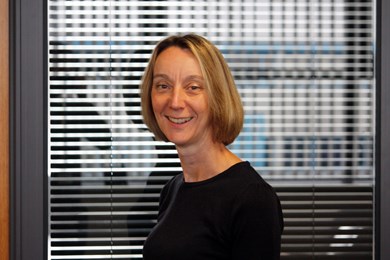
Gillian Bates, Regulatory Compliance Manager at Tesco and member of CTSI’s Business Members’ Group, reflects on her own route to becoming a Chartered Trading Standards Practitioner, the confidence it gave her, and how demystifying the process could encourage more professionals to take that step.
A Real Confidence Boost
Q. What first motivated you to work towards Chartered Trading Standards Practitioner status?
It was very much a personal motivation. I wanted to do it for my own sense of achievement; to recognise the competency I’d built up over the years. I’ll be honest: I was aware of the scheme but often had self-doubt I would achieve it. With the support from fellow CTSP work colleagues I realised I absolutely could do it.
Q. How did you find the process once you started?
I found that the process wasn’t complicated; it was really about showing my competence and staying committed to personal development across the year. Once I realised I could dovetail my CTSP plan with my Personal Development Plan at work, it all became much more manageable.
The biggest commitment is time. You have to give yourself the space to do it properly. My advice would be to do your CPD throughout the year, not cram it in at the end. If you build it into your working practice, it becomes part of what you do, not another task on the list.
Q. Did gaining chartership change anything for you professionally?
Personally it was a real confidence boost. I actually wish I’d done it sooner. I work alongside a strong team of capable individuals at Tesco; achieving CTSP made me think about my own professional development more actively. It’s encouraged me to keep learning.
Q. A lot of professionals still feel unsure about what CTSP actually involves. What would you say to them?
I don’t think we celebrate it enough or explain it clearly. From the outside it can look like a big, formal process. But it isn’t about being an academic. If you’re committed to your role, reflective about your work, and willing to develop yourself, you can absolutely achieve it.
More people would apply, I think, if they had a clearer picture of what assessors look for and what “good” looks like. There’s definitely more we can do to demystify it.
Q. What value do you think chartership brings to the wider Trading Standards profession?
It encourages people to focus on their professional development. Once you start thinking in that way, you naturally begin asking: “What else can I learn? How can I improve?” That strengthens the discipline as a whole — whether you work in business or in a local authority. We’re all Trading Standards professionals and we’re all working to protect consumers. Chartership supports that shared purpose.
Q. And finally, how do you feel when you see CTSP after your name?
Proud. It might sound simple, but that’s genuinely how I feel. I set myself a challenge, I pushed through my doubts, and I achieved it. Now I want to maintain that standard and keep that knowledge up to date.
This interview with Gillian is part of CTSI’s ten-years of chartership anniversary series. Look out for the full feature on what chartership is, how it works and the routes to achieving it in the January issue of the Journal of Trading Standards.
Find out more about becoming a Chartered Trading Standards Practitioner here.

